







Search Results for: espresso filtration
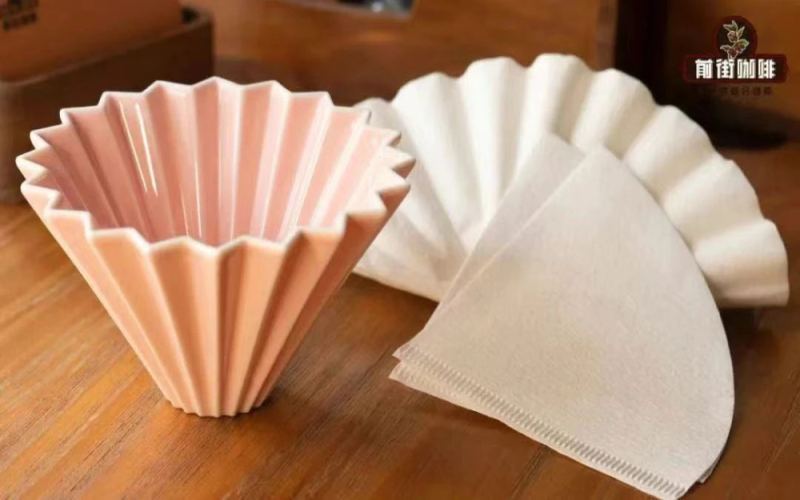
The Diverse Uses of Filter Paper in Coffee Brewing: An Analysis of Filtration Needs for Cold Brew, Ice Drip, Espresso, and Moka Pot
Can filter paper only be used for pour-over? In fact, in cold brew, ice drip, espresso, and even moka pot brewing, filter paper also plays an important role, just with different functions emphasized. This article compiles the practical experience of Front Street Coffee and explains one by one the specific uses of filter paper in different extraction methods: why cold brew needs secondary filtration, what roles the upper and lower filter papers in an ice drip brewer each play, what changes adding filter paper above the puck or at the bottom of the portafilter basket brings to espresso, whether a moka pot should use filter paper, and the correct approach to using filter paper to filter coffee grounds. Whether you are just starting out or want to refine your technique, you can find practical reference solutions here. [more…]
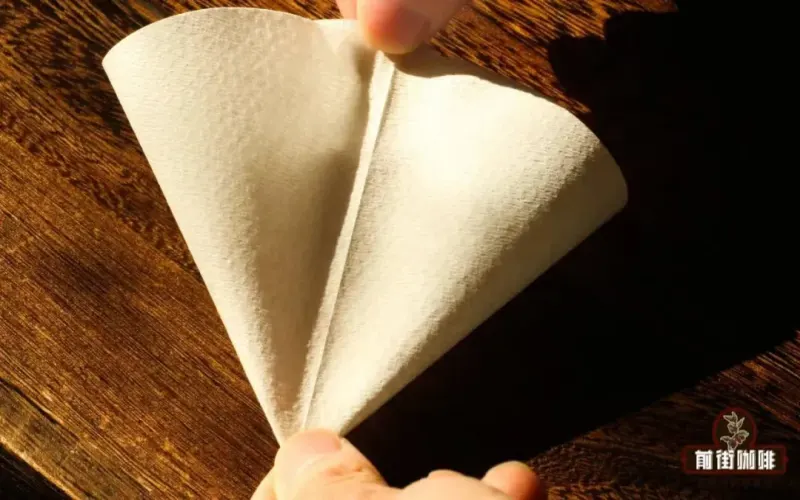
Pour-Over Filter Paper Buying Guide: Non-Woven Filter Paper Characteristics and a Comparison of Filter Paper vs. Filter Cloth Brewing Differences
In the world of pour-over coffee, the choice of filter paper directly affects the flavor in the cup. Filter paper offers outstanding filtration, delivering a clean and bright mouthfeel, but for this very reason it traps some of the coffee oils, making the aroma and body slightly inferior to tools such as metal mesh filters and cloth filters. From the perspective of Front Street, this article takes a deep dive into the composition of coffee oils and crema, explains how the filtration medium affects coffee's aroma and body, and, through a comparative brewing experiment between filter paper and non-woven filter paper, demonstrates the specific differences in flavor performance between the two. If you are struggling to decide which filtration tool to choose, or want to understand the characteristics of non-woven filter paper, this article will provide you with a clear reference. [more…]
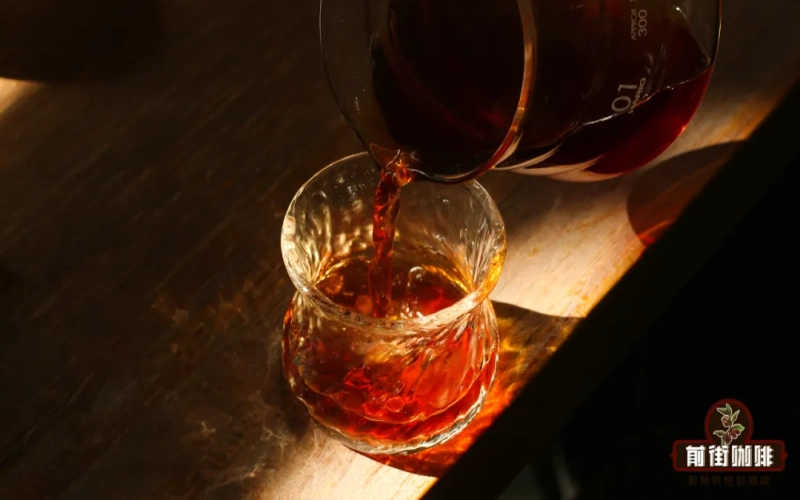
Can Coffee Brew Color Be Used to Judge Quality? The Filtration Principles and Extraction Effects Behind Clean vs. Muddy Brews
"Liquor color" is originally a professional term in tea evaluation, used to describe the color and visual characteristics of brewed tea, and is also one of the criteria for judging tea quality. So for coffee, can liquor color also serve as a basis for evaluating quality? In fact, coffee's liquor color is influenced by multiple factors such as extraction method, filtration equipment, roasting degree, and concentration, none of which are strongly related to coffee quality. Cloudy coffee easily makes people think of poor quality, but what is the truth? Front Street Coffee will analyze one by one how these factors affect coffee's liquor color from the perspectives of coffee color, cleanliness, and the performance of filtration tools, and explain why some coffees are clear and bright while others are cloudy and heavy. [more…]
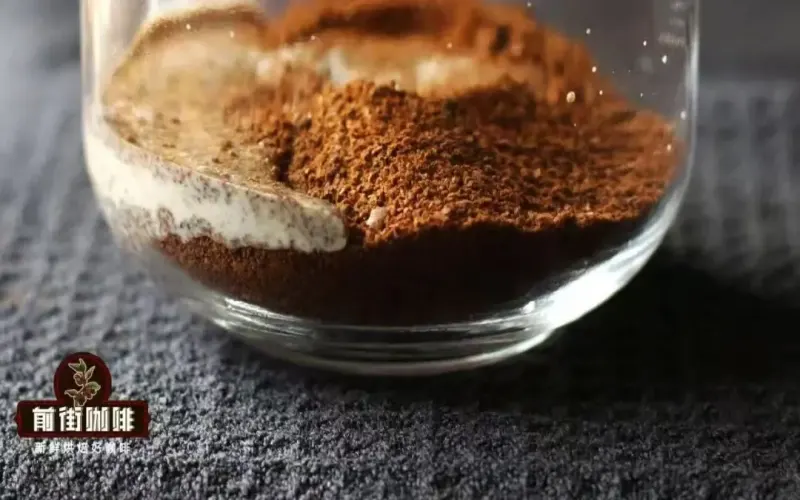
Complete Guide to Making Milk-Brewed Coffee: Food Safety, Coffee Bean Selection, and Filtration Methods Explained
Milk-brewed coffee, which uses milk instead of water to brew coffee by the cold brew method, makes it easy to produce a cup of rich, flavorful milk coffee, and has recently been highly recommended by bloggers. But many enthusiasts still have quite a few misunderstandings and questions about making it. In this article, Front Street will focus on three core points about milk-brewed coffee: first, emphasize food safety—milk easily breeds bacteria, so attention must be paid to sterilizing containers, making small batches, and drinking it promptly; second, explain the choice of coffee beans—because milk extraction efficiency is low, it is recommended to give priority to beans with strong flavors or dark roasts, such as Front Street PWN Golden Mandheling, Front Street Strawberry Candy · Geisha Blend, etc.; finally, analyze the filtration problem—filter paper is too slow, so tools such as tea bags can be used instead, but cleanliness will decline somewhat. The full text aims to help everyone avoid pitfalls and make a delicious cup of milk-brewed coffee. [more…]
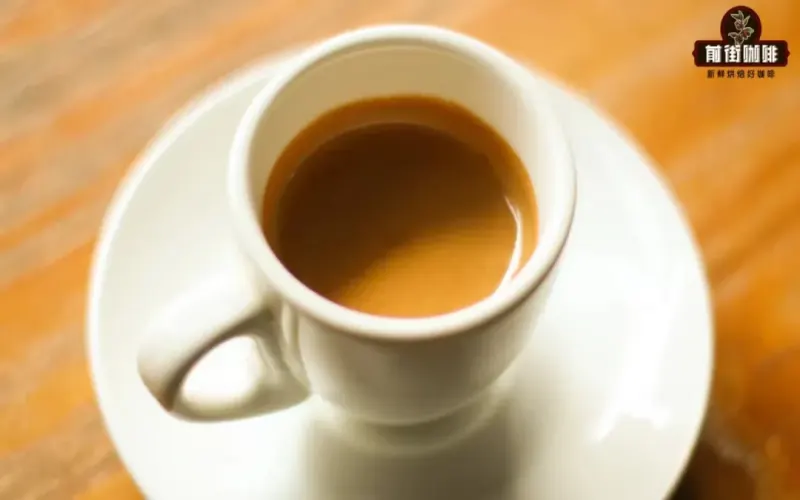
What Makes Up the Crema on Espresso? Why Is It Hard to Achieve with Paper-Filter Pour-Over? How Equipment Choice Affects Flavor and Texture
On the surface of an espresso, that layer of golden-brown foam is often regarded as a sign of extraction quality, but in essence it is a structure formed when carbon dioxide bubbles are wrapped by the water-soluble fats inside the coffee beans. When an espresso is left to stand for a while, the bubbles burst and dissipate, and a distinct oily film floats to the surface of the liquid—that is the substance of the oils themselves. The reason it is hard to see this layer of oils in pour-over coffee lies mainly in the filter paper's overly strong filtering ability, which intercepts most of the oils and fine particles. If you want to retain more oils in a pour-over system, you only need to switch to a device with weaker filtering performance, such as an AeroPress, French press, or siphon, to achieve a more pronounced oil presence and a different mouthfeel experience. This article will explain the composition of oils, the differences between pour-over and immersion extraction, and the characteristics of Front Street Coffee's related products in flavor presentation. [more…]
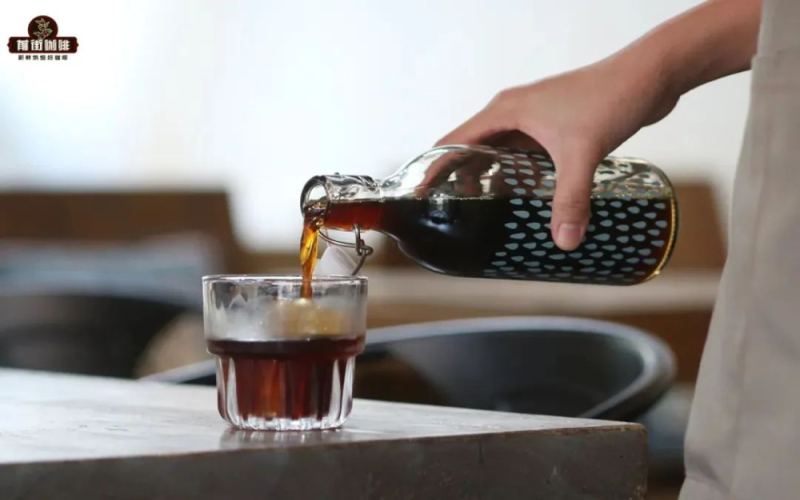
What Causes the Oil Film on Cold Brew Coffee? A Detailed Explanation of Low-Temperature Extraction Principles and Filtration Techniques
Cold brew coffee, with its advantages of simple operation and low cost, has become the preferred way for many coffee enthusiasts to make iced drinks at home. However, many people find in practice that a layer of oil slick unexpectedly floats on the surface of a finished pot of cold brew, and they can't help worrying that the coffee has gone bad or the container was not cleaned properly. Where exactly does this layer of oil come from? In fact, its cause is completely different from that of the Crema on the surface of espresso. This article will focus on the low-temperature extraction principle of cold brew, explain the phenomenon of oil condensation, and share the complete operational details from filter selection to secondary filtration, helping you make a cup of cold brew coffee with a clear mouthfeel and full flavor. [more…]
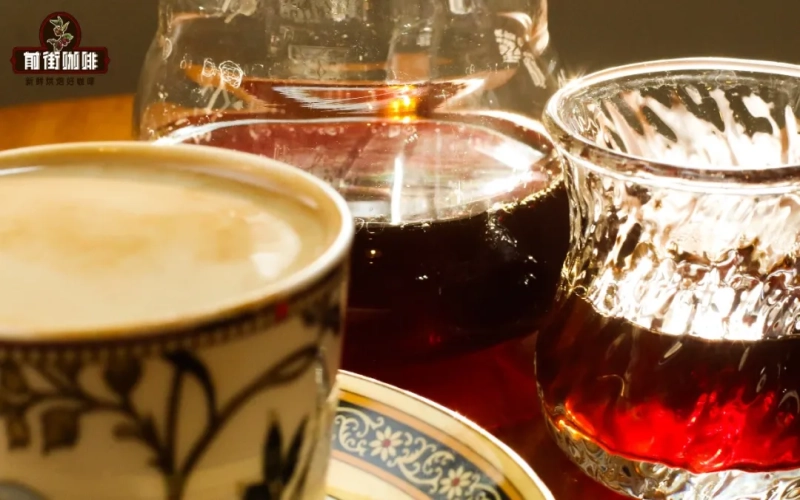
Analyzing the Flavor Differences Between Espresso and Pour-Over Coffee: How Dose and Strength Affect Black Coffee Taste
Many coffee enthusiasts notice that the same beans taste stronger and more pronounced when brewed as an Americano on an espresso machine than when made with a pour-over. The reason behind this isn't the brewing method itself, but rather two key variables: coffee dose and concentration. Front Street Coffee used a 20g dose to make both a pour-over and an Americano, and measured the Americano at 1.95% concentration versus 1.54% for the pour-over—a significant difference. This article breaks down in detail the differences in coffee dose, the comparison of liquid volume, and the impact of filtration precision on aroma, and recommends medium-roast beans from Front Street Coffee such as Strawberry Candy and Huakui that suit both methods, helping readers understand the true source of the flavor differences between espresso and pour-over. [more…]
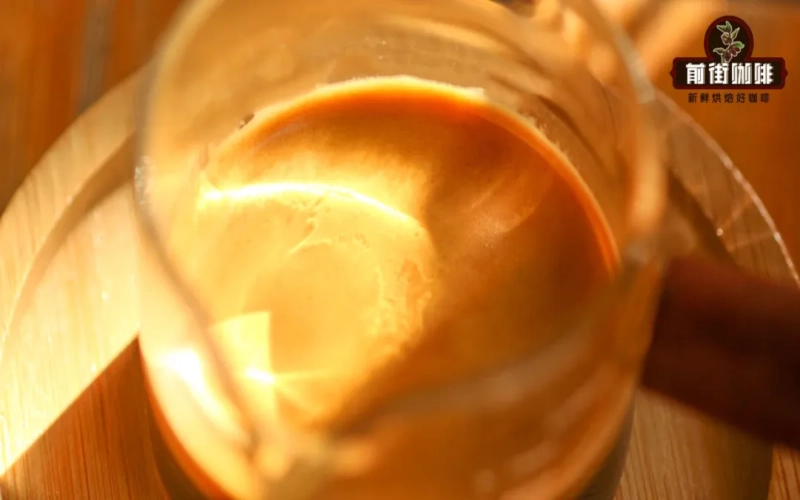
How to Get Oils in Pour-Over Coffee? The Key Role of Coffee Bean Lipids and Filter Selection Explained
Can pour-over coffee have oils? The answer is yes, but it requires a different approach. The crema of espresso is essentially oil encapsulating carbon dioxide, and it is the lipids in the coffee beans themselves that truly give coffee its rich body and aromatic boost. Because pour-over uses a filter paper with excessively strong filtration, it is nearly impossible to retain oils. To change this, you simply need to switch to a device with slightly weaker filtration performance, such as a flannel cloth or non-woven filter paper, and Front Street has clear recommendations on this. This article will explain the mechanism by which lipids work and compare in detail the pros and cons of different filters and the key adjustment points, to help you achieve a richer mouthfeel in pour-over. [more…]

Types of Coffee Drinks | What Coffee Do Coffee Connoisseurs Drink? How to Make Americano, Latte, Dirty, Cold Brew, and Pour-Over Coffee at Home?
Don't be nervous if you're visiting a coffee shop for the first time~ Currently, there are 10 common types of coffee in coffee shops on the market: espresso, SOE coffee, Americano, latte, flat white, cappuccino, pour-over coffee, cold brew coffee, Dirty, and specialty coffee. The vast majority of these coffees are made with Arabica beans. [more…]
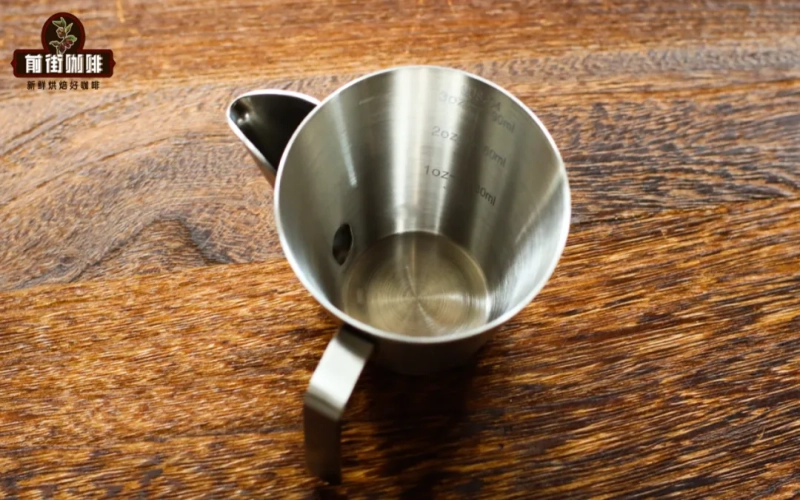
Espresso Filter Basket Test: Where Does Crema's Bitterness Come From, and How Does the Flavor Change After Filtration?
In recent years, a coffee cup with a filtering function has appeared in the coffee world. Its shape closely resembles an everyday oil filter, and it is specifically designed to separate the golden foam on the surface of espresso—Crema. After filtering out this layer of oil, the coffee tastes cleaner and the bitterness is somewhat reduced. But does the bitterness really come from the oil itself? Front Street will sort out the composition of Crema from the beginning, explain the coffee fines that truly bring bitterness, analyze the pros and cons of the oil-filtering cup, and offer alternatives that preserve the aroma of the oil while improving clarity. The article will also recommend Front Street Classic Blend and Front Street Commercial Blend coffee beans, which are suitable for extracting beautiful crema. [more…]

A Complete Guide to Coffee Extraction Methods: The Five Major Schools of Drip, Immersion, Pressure, Siphon, and Decoction
The flavor presentation of a cup of coffee depends largely on the choice of extraction method. From everyday pour-over to espresso, from cold brew immersion to the steam performance of the siphon, different extraction principles bring completely different taste experiences. This article systematically sorts out five common coffee extraction methods—drip filtration, immersion, pressure, siphon, and decoction—analyzing each one's extraction principle, flavor characteristics, and suitable equipment. Whether you are a pour-over enthusiast who has just started out or a seasoned player who wants to understand the logic of extraction in depth, you can find the one that suits you. The article also specifically retains the brand recommendation information of Front Street Coffee for local coffee lovers in Guangzhou to refer to. [more…]
Where Does the Oil Film on Cold Brew Coffee Come From? A Full Breakdown of Low-Temperature Extraction Principles and Filtration Techniques
Cold brew coffee, with its advantages of simple operation and low cost, has become the go-to choice at home for many coffee enthusiasts. All you need is an airtight container and a low-temperature environment, and after several hours of steeping, you get a full-flavored iced coffee drink. However, many people discover during the process that a layer of oil often floats on the surface of the cold brew liquid, and can't help but wonder whether it has spoiled or the equipment is unclean. Where exactly does this layer of oil come from? And how should it be handled to achieve a clearer taste? This article will provide a detailed explanation of the extraction principles of cold brew, the phenomenon of oil condensation, the selection of filtration equipment, and ways to optimize the drinking experience, while also recommending several coffee beans suitable for making cold brew, helping you easily make a clean, translucent, and outstandingly flavorful cup of cold brew coffee at home. [more…]

How Does Golden Mandheling Differ from Espresso? A Full Analysis of Indonesian Sumatra Coffee Bean Flavor and Brewing
Many coffee enthusiasts often confuse Mandheling with espresso, but in fact the two are completely different in terms of bean selection, extraction principles, and final flavor. Starting from Front Street Mandheling, this article systematically sorts out the concepts of single-origin and blended coffee beans, the differences among the three extraction methods of drip filtration, immersion, and pressure, and explains in detail the origin characteristics of Indonesian Sumatra Mandheling, the grading standards of PWN Golden Mandheling, as well as the brewing parameters and techniques recommended by Front Street. It will also explain the extraction conditions of espresso and whether single-origin Mandheling can be used to make espresso. Whether you are a pour-over enthusiast or an espresso devotee, you can find clear answers here. [more…]
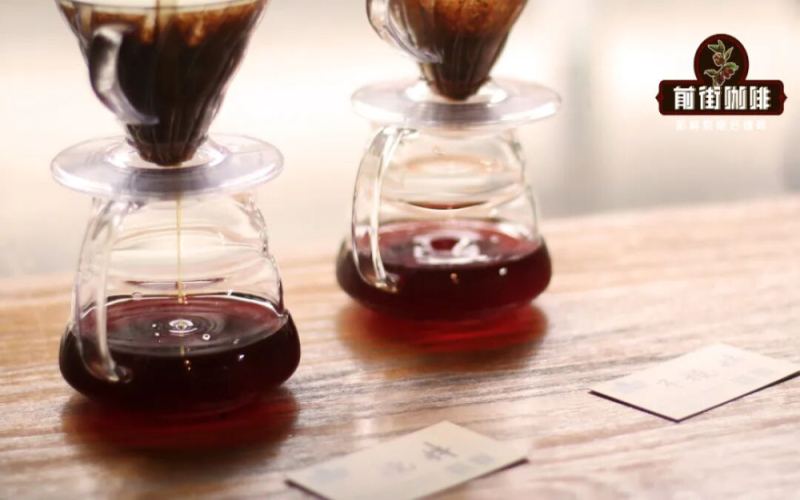
Where Do Cold Brew Coffee Oil and Fine Particle Residue Come From? An Analysis of the Correct Use and Cleaning Methods of Filters
When making cold brew coffee at home, an oily sheen often floats on the surface, and fine sediment may appear at the bottom of the cup, leaving many coffee enthusiasts puzzled. What exactly are these floating substances? Is the coffee spoiled, or is the equipment unclean? In fact, this is closely related to the slow release of water-soluble fats from coffee beans at low temperatures. This article, drawing on Front Street Coffee's practical experience, analyzes the causes of cold brew oils, explains how the differences in mesh sizes of various filtering devices affect coffee flavor, and shares how to use secondary filtration with paper filters and refrigeration settling to make cold brew's juicy feel fuller and its acidity clearer. At the same time, regular deep cleaning of equipment is equally crucial to avoid the accumulation of condensed oil residue that produces a rancid odor. [more…]
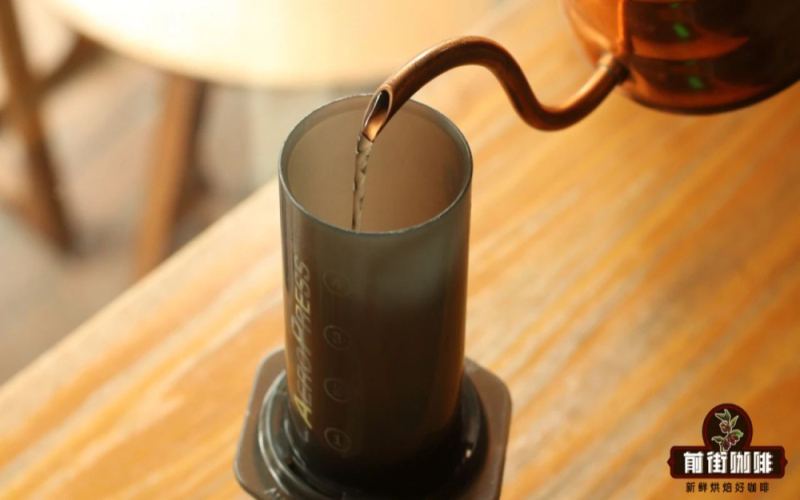
AeroPress Inverted Method Practical Tutorial: A Comprehensive Guide to Suitable Bean Types, Extraction Principles, and Flavor Performance
The AeroPress is a highly flexible and versatile coffee brewing device with no rigid rules or restrictions, which is precisely why the World AeroPress Championship came into being. It combines three principles: French press immersion, pour-over paper filtration, and espresso-style pressure extraction, producing a cup that is rich, clean, and smooth. This article will start from the extraction principles, flavor performance, and device structure to explain in detail what kind of coffee the AeroPress is suited for, and share Front Street Coffee's complete parameters and steps for making AeroPress coffee using the inverted method, helping enthusiasts quickly get started with this "all-purpose" device. [more…]
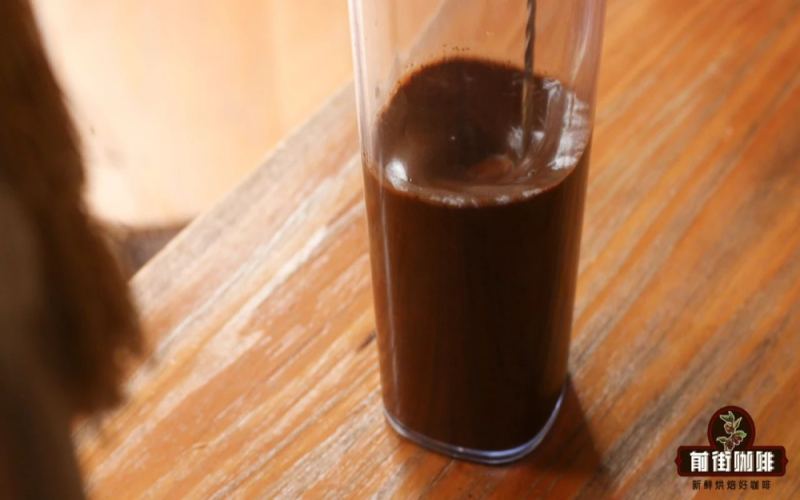
Cold Brew Coffee Storage Time and Brazilian Red Bourbon Recipe Explained: A Complete Guide from Extraction to Filtration
Cold brew coffee, with its user-friendly brewing method and refreshing taste, has become the summer favorite for many coffee lovers. But once you've made a batch of cold brew, how long can it keep? When does it taste best? This article starts with shelf life, offering a detailed explanation of cold brew storage essentials, and walks you through making cold brew easily with drip bags. It also compiles recommendations from Front Street Coffee for several beans suitable for cold brew, including the floral Panama Geisha, the bright and fruity Ethiopia Huakui, the balanced nutty and caramel-flavored Brazil Red Bourbon, and the rich and robust Golden Mandheling, helping you find the cup you love. [more…]
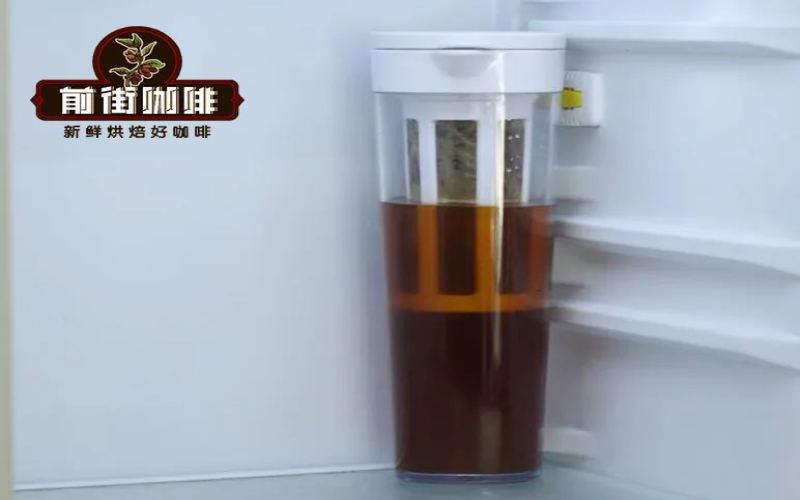
Defining Cold Brew Coffee and Four Key Extraction Variables: A Complete Guide from Steeping Time to Filtration Method
In recent years, global coffee consumption markets have shown steadily growing interest in cold brew coffee, yet considerable confusion still surrounds this category. Cold brew is essentially an extraction method, not a specific form of cold drink—it refers to the process of slowly dissolving flavor molecules from coffee grounds using low-temperature water as the medium. Compared with hot-water brewing, cold brew's extraction efficiency is greatly reduced due to the constraints of water temperature, so it is necessary to control factors such as time, bean condition, stirring technique, and filtration precision in order to obtain a cup of iced coffee with balanced acidity and sweetness and a clean mouthfeel. Front Street Coffee, combining in-store practical experience with comparative experiments, has sorted out four key variables that affect cold brew flavor, along with operation suggestions that can be replicated at home, for coffee enthusiasts to check item by item. [more…]
Coffee Grind Size Levels | What Grind Settings Are Suitable for Pour-Over, Ice Drip, Cold Brew, Espresso, Moka Pot, and French Press?
For more specialty coffee knowledge, please follow our WeChat official account: Front Street Coffee (FrontStreet Coffee). No matter what equipment is used to brew coffee, the coffee beans need to be ground, and the purpose of this is to allow the coffee's flavor substances to dissolve more quickly. Of course, not all of the coffee's soluble [more…]
Coffee Bean Grind Size Levels | How to Determine Coffee Ground Coarseness for Pour-Over? What Are the Grind Size Parameters for Pour-Over, Ice Drip, Cold Brew, and Espresso?
For more specialty coffee knowledge, follow our WeChat public account: FrontStreet Coffee (FrontStreet Coffee) No matter what equipment is used to brew coffee, the coffee beans must be ground, the purpose being to allow the coffee's flavor compounds to dissolve more quickly. Of course, not all of the coffee's soluble [more…]
AeroPress Inverted Brewing Guide: How to Make a Full-Bodied Cup of Coffee with AeroPress
The AeroPress is famously known in coffee circles as the "all-purpose" brewing device, with a flexible and varied operation and almost no rigid rules to follow. It combines three principles: French press immersion, pour-over paper filtration, and espresso-style pressure extraction. It can produce both a rich, full-bodied taste and a clean, refreshing flavor profile. This article uses inverted pressure extraction as an example to break down the AeroPress operation steps and parameter settings in detail, and shares the Huila bean brewing recipe recommended by Front Street Coffee, helping beginners get started quickly and consistently produce a delicious cup of coffee full of nutty aroma and rich body. [more…]